4 questions · about 2 minutes
Kansas tree identifier
Answer a few questions about leaves, bark, seeds, and shape and narrow your tree down to the most likely Kansas species — no botany degree required.
Botanists name trees by elimination rather than by recognition — a short chain of questions, each one cutting the possibilities down. This asks four of them, in the order they cut hardest: the leaf, then the bark, then whatever the tree is dropping, then how big it gets. Behind it sits the same library of 22 species the identification hub publishes, filtered by exactly the same rules.
Every question can be skipped, and skipping costs you nothing but a longer list. In February you can answer two of the four at best, and a guess entered as a fact is how people end up confidently holding the wrong name. The count updates as you go, so you can stop the moment you recognise the tree rather than finishing for the sake of it.
What comes out is a shortlist, not a verdict
The result is the most likely matches, ranked by how often each tree turns up in Kansas. When one species is left, the tool shows you that species’ own identification marks so you can check them against the tree — because a filter that agrees with three wrong answers still gives you a wrong name.
Question 1 of 4 · Leaf shape
0 of 4 answered
22 of 22 still match
Every tree in the Kansas library is still on the list. Answer the question above and watch it shrink.
Still standing
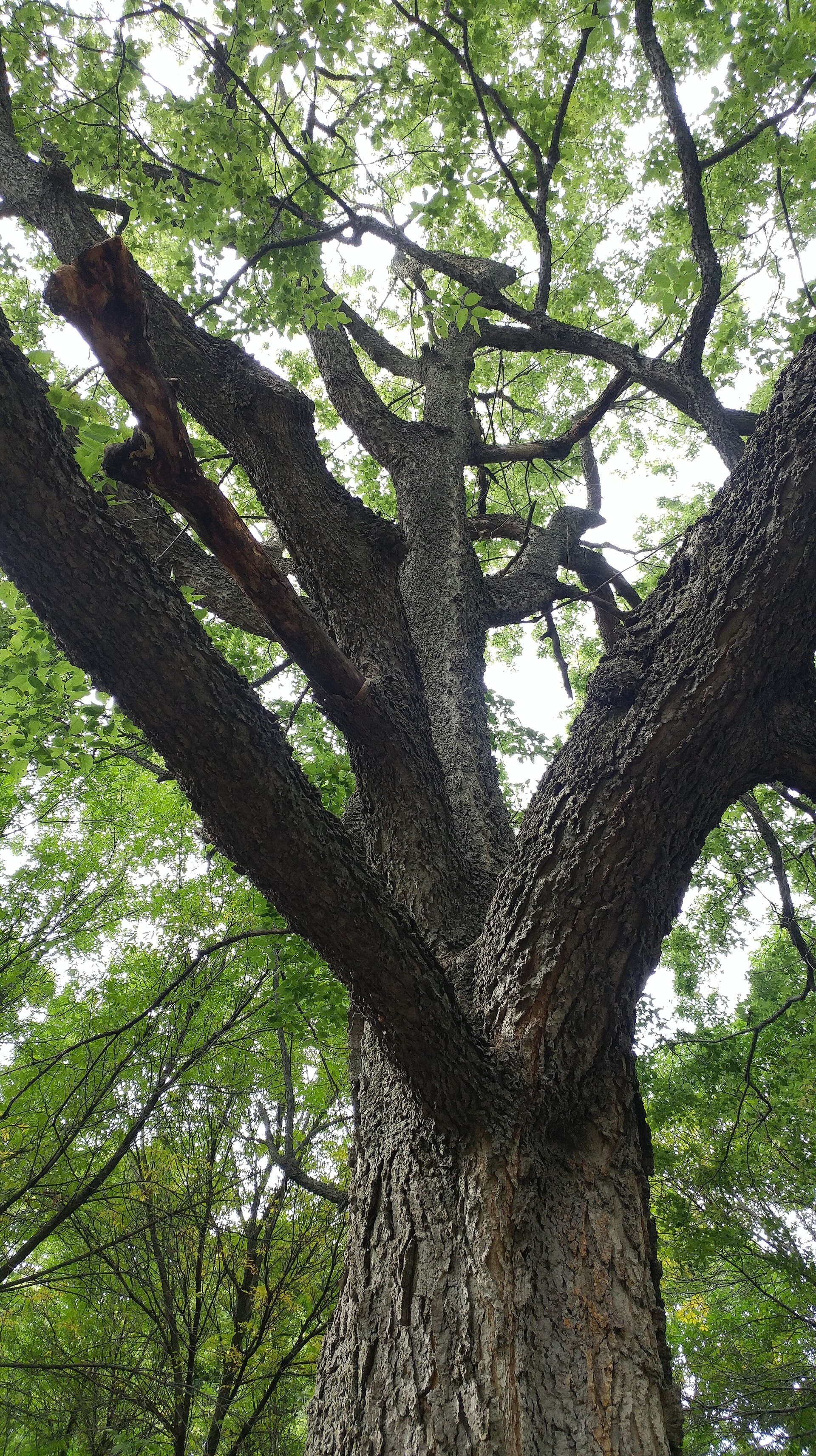
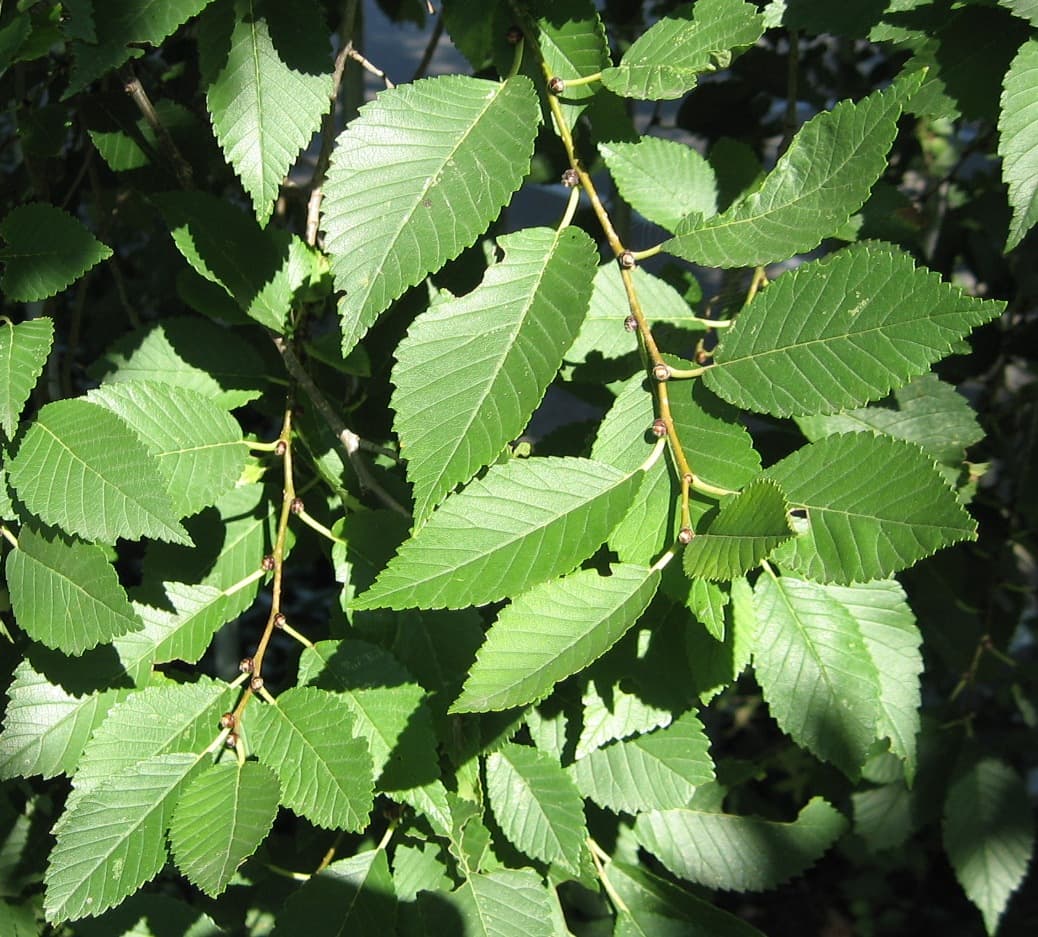
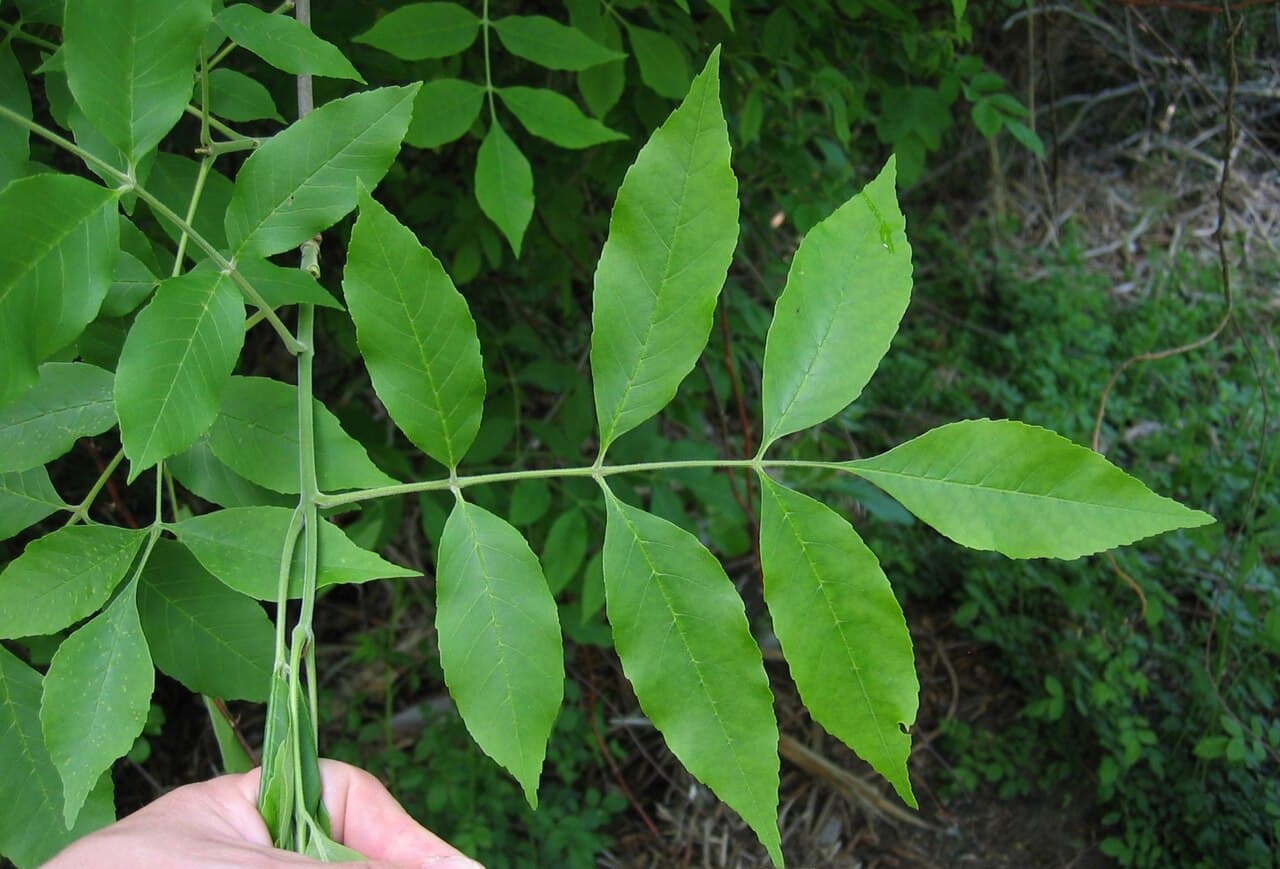
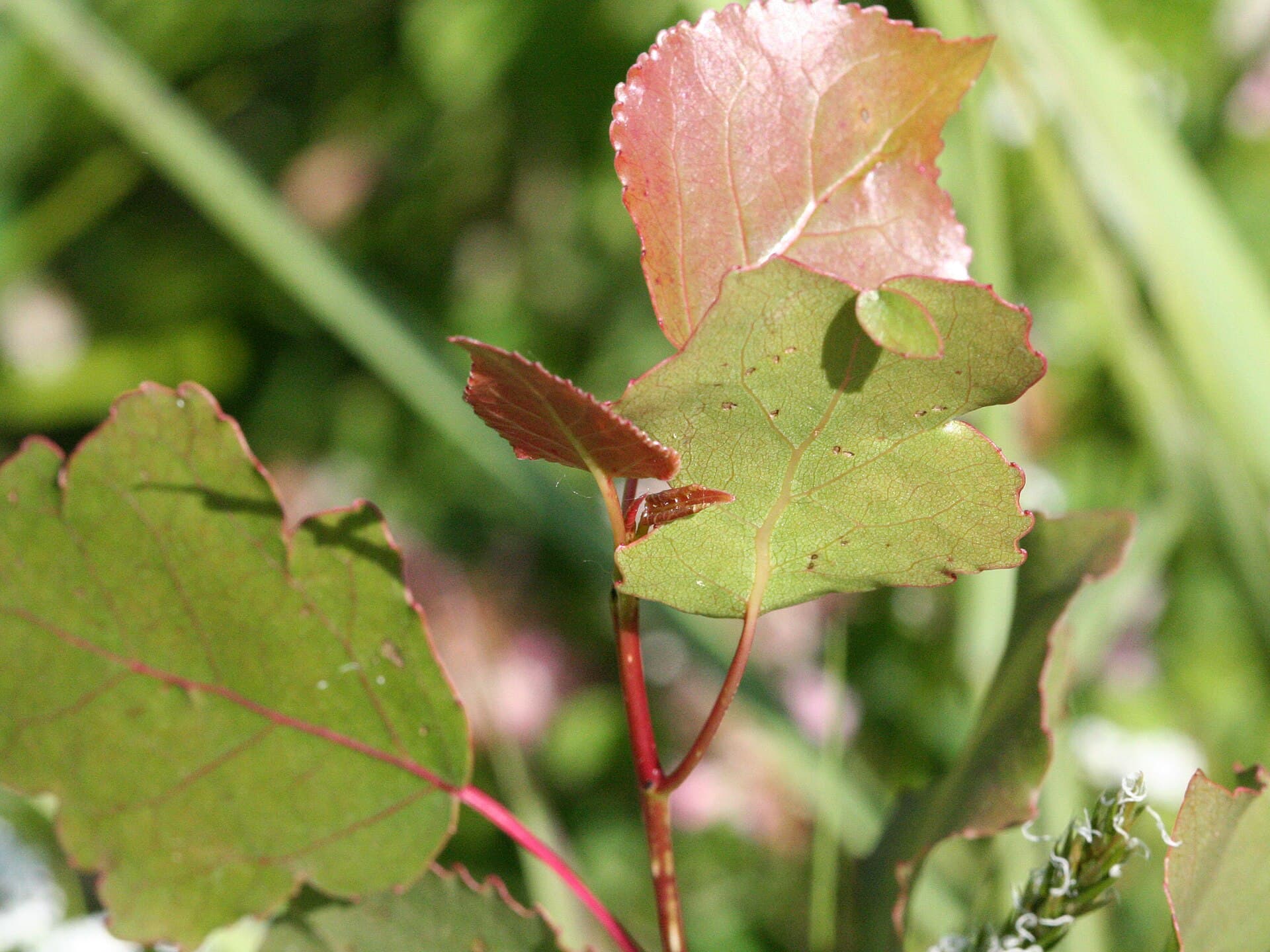
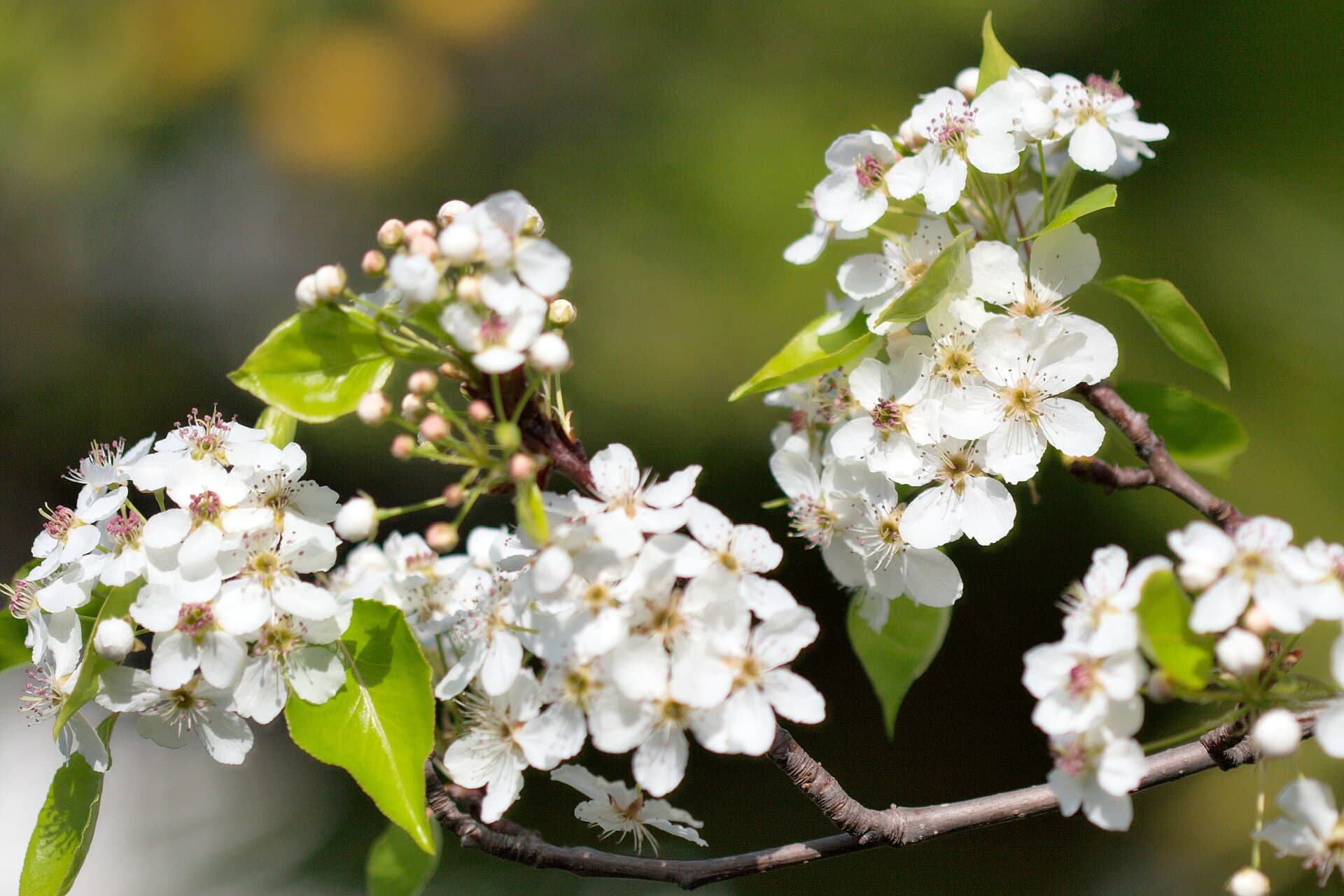
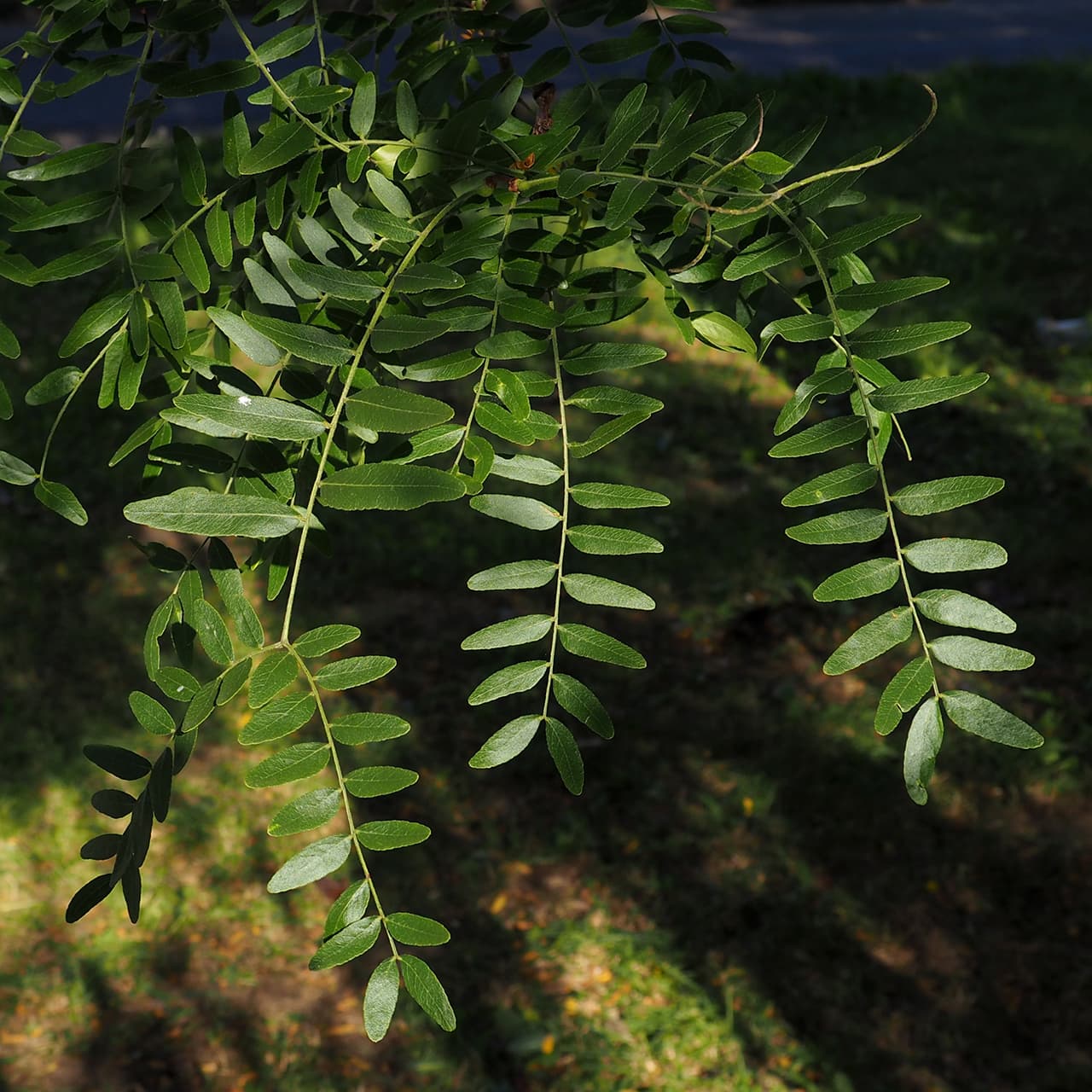
Honey Locust (thornless)
Gleditsia triacanthos var. inermis
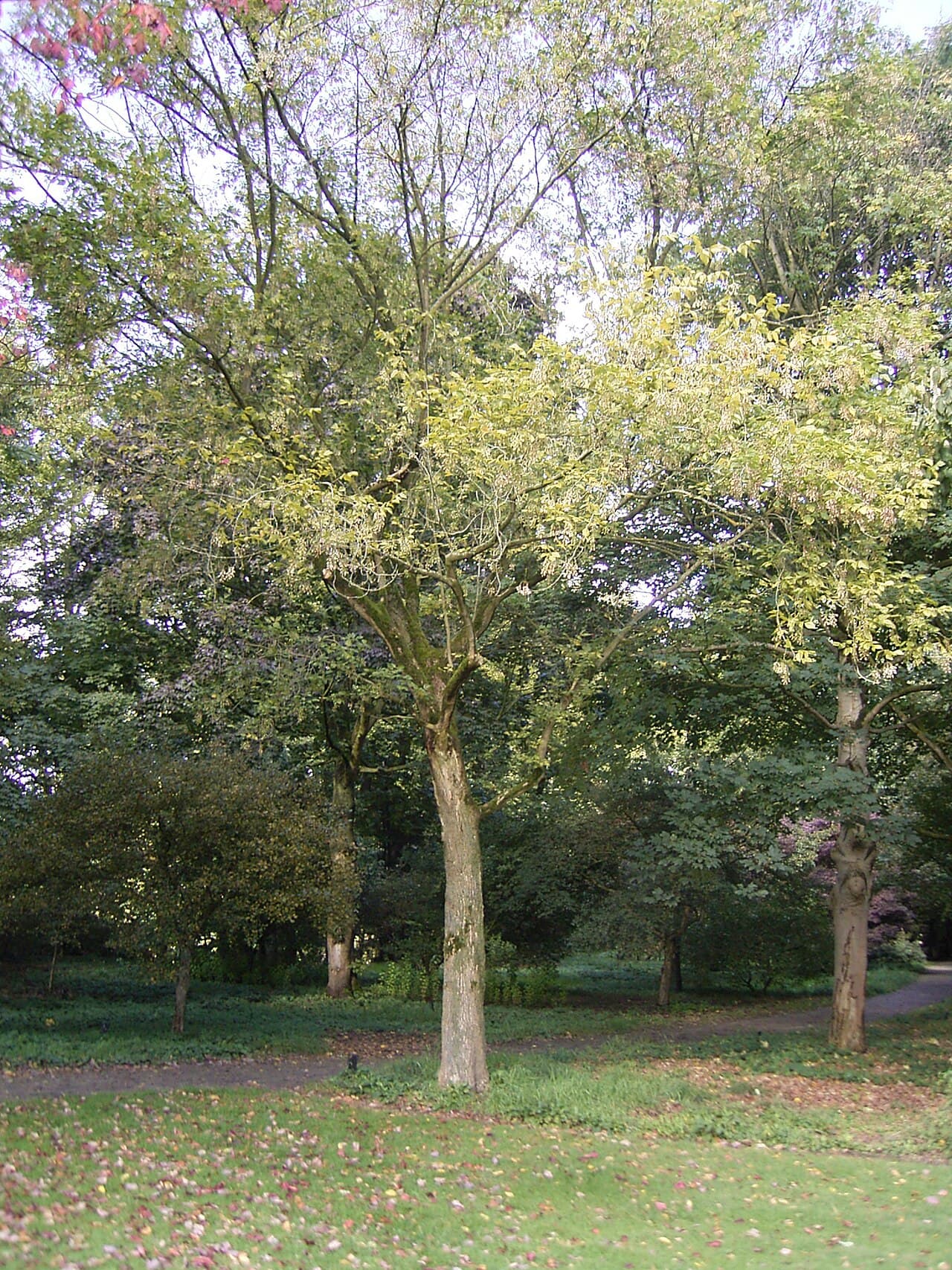
Compound leavesplated barkseed podsLarge tree
Our tools provide general education based on your answers. They are not a diagnosis, a safety inspection, or professional advice.
Honest boundaries
What this cannot tell you
This is four questions filtering a fixed library. It is a fast way to get to a shortlist, and there is a specific list of things it is structurally unable to settle.
Whether you read the trait correctly
Every answer this tool gives is downstream of four observations you made. Bark is the one people get wrong most often, because a twenty-year-old trunk and a seventy-year-old trunk of the same species barely look related. A photograph of the leaf, the bark, and the seed, held next to the profile, beats any filter — including this one.
The look-alikes it cannot separate
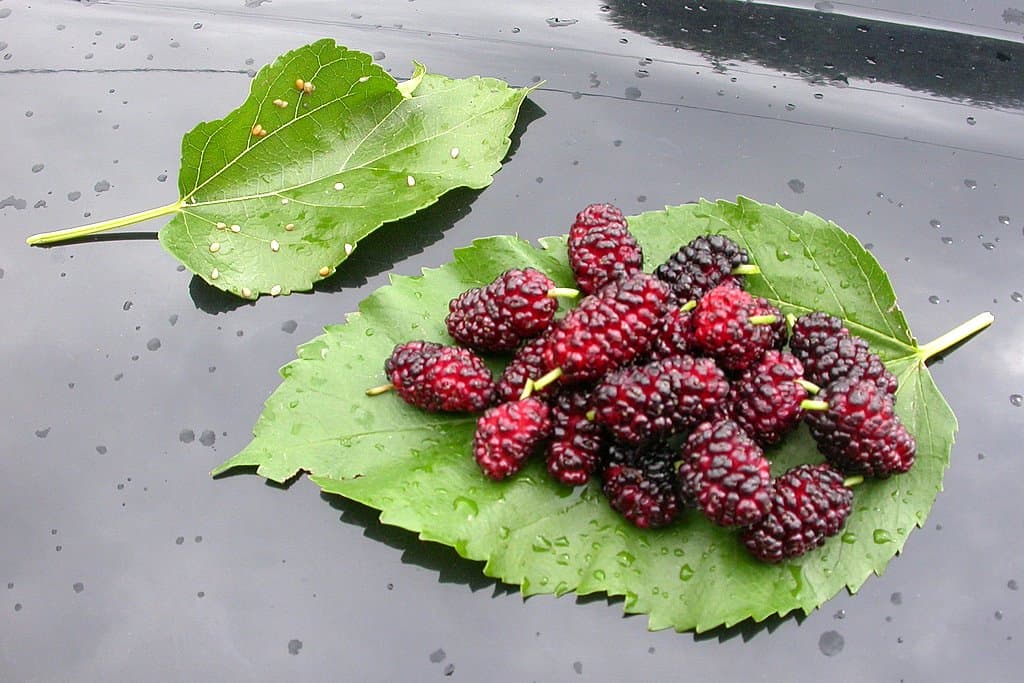
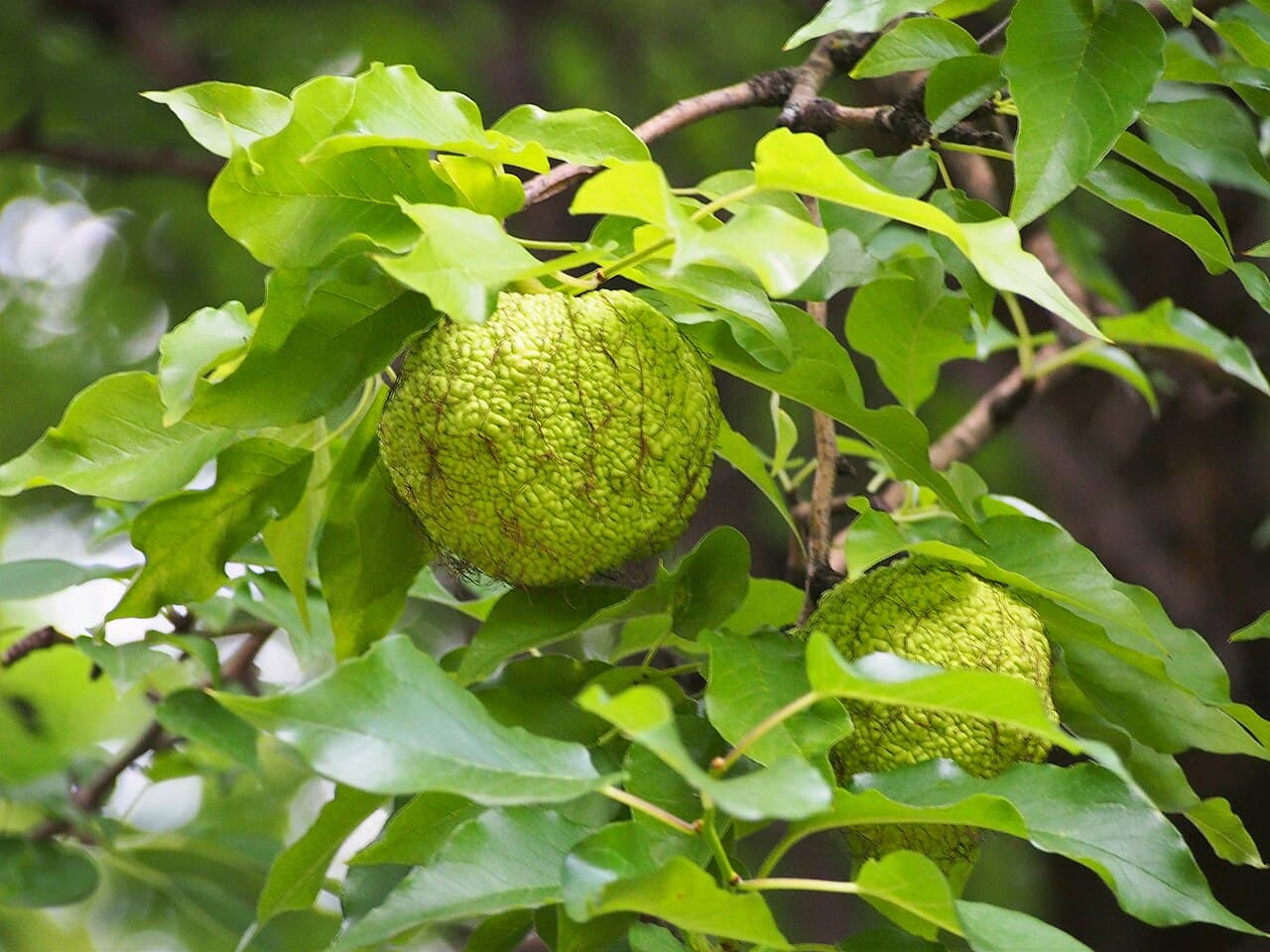
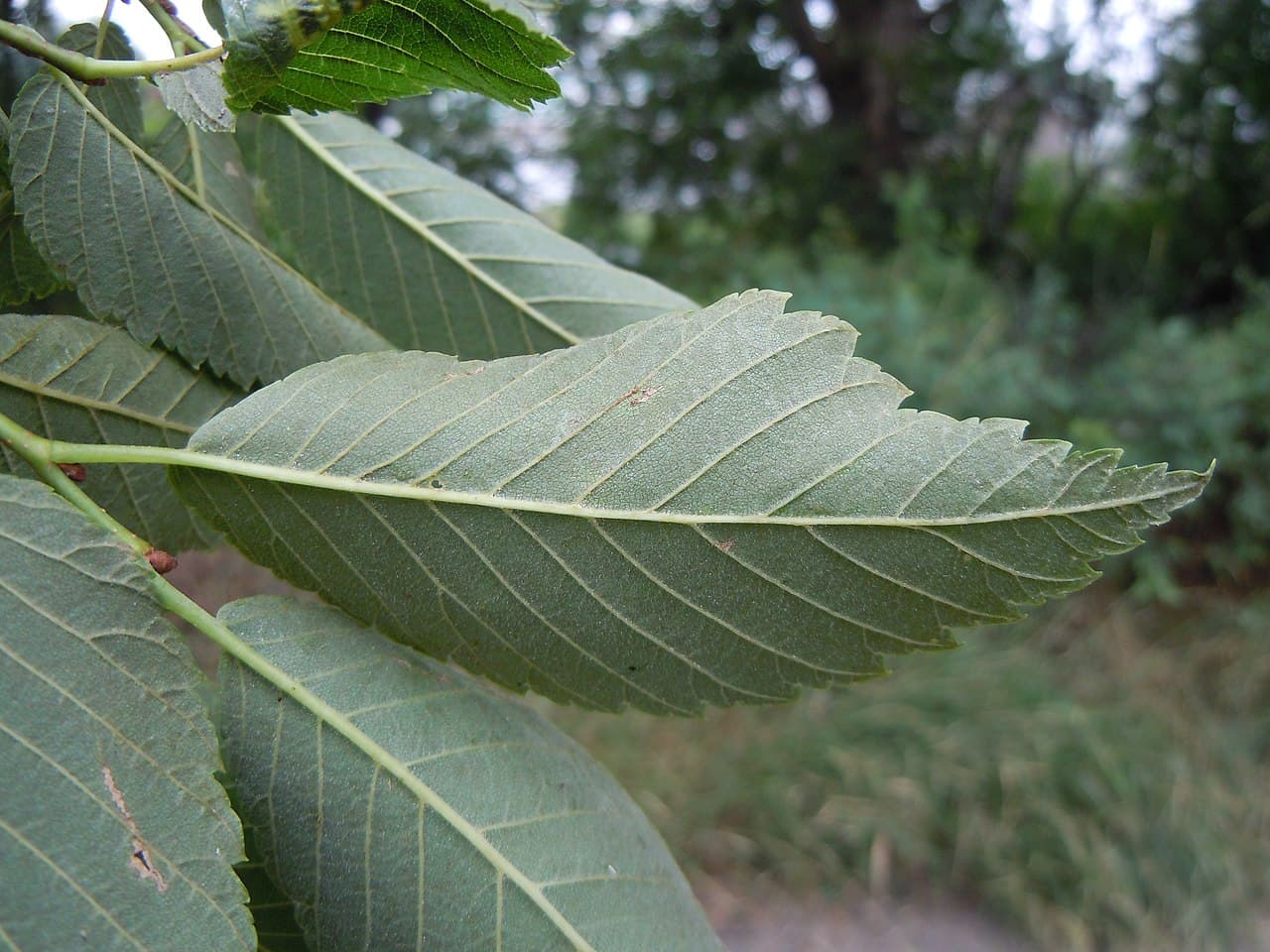
Several Kansas pairs share every trait this tool asks about and are told apart by something it never asks: green ash and boxelder, American and Siberian elm, Siberian and Chinese elm, white mulberry and Osage orange, honey locust and black locust. If two of those turn up together in your results, that is the tool being honest rather than failing.
Anything outside these species
The library covers 22 trees — the ones that actually turn up in Kansas yards, parks, windbreaks, and fence lines. It is not the flora of the state, and it holds no cultivars, no fruit trees, and no ornamental. An empty result may simply mean you are looking at something else.
Which cultivar you have
Named cultivars can differ from the species in size, shape, fall colour, and whether they set fruit at all — a seedless honey locust and a wild one answer the seed question differently. The species is as far as four questions can take you.
Whether the tree is healthy
Identification and diagnosis are separate jobs, and this one does not look at the tree's condition at all. A name tells you what the tree should look like; it does not tell you whether this one is in trouble.
A single name on the screen is the tool’s best guess, not a confirmed identification. Take a photograph of the leaf, the bark, and whatever is on the ground, open the profile, and compare — that comparison is the identification, and this tool only decides which profile to open first. Where the name changes a real decision, such as whether an ash is worth treating, it is worth having someone confirm it in person.
Keep going
The guides behind these answers
Every question here is one of the identification hub's own filters, and every result links back to the profile it came from.
- Kansas tree identification hubAll 22 profiles, the same filters used here with several more, and the four-question key written out in full.
- The full directoryFilter on bark, seed, size, fall colour, drought tolerance, and origin all at once, and search by name.
- Something looks wrong with itStart from what you can see — yellow leaves, a bare top, a new lean — rather than from the name.
- Pest & disease libraryOnce you have a name: emerald ash borer, bagworms, pine wilt, oak wilt, and iron chlorosis.
- Choosing what to plantRight tree, right place for Kansas clay, wind, and drought — and the ones worth avoiding.
- What to do this monthPruning windows by species, watering, and the dates pests actually show up in Kansas.
Kansas Tree Guide is an independent educational resource. Nothing on this site replaces an on-site assessment by a qualified arborist or tree-care professional. Last reviewed August 2026.